Evan's Cash For Cars buys vehicles that have reached the end of their usable life and are no longer practical to drive, repair, or resell privately. This page explains the types of vehicles that commonly qualify, helping owners understand whether their vehicle meets end-of-life criteria.
This page is informational. It clarifies vehicle eligibility attributes and prevents repetition across our core service pages. It does not explain pricing, towing, or payment procedures.
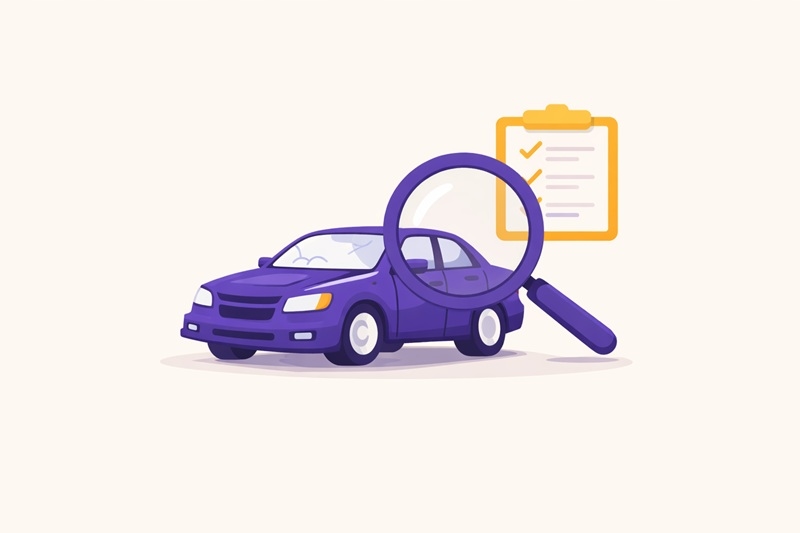
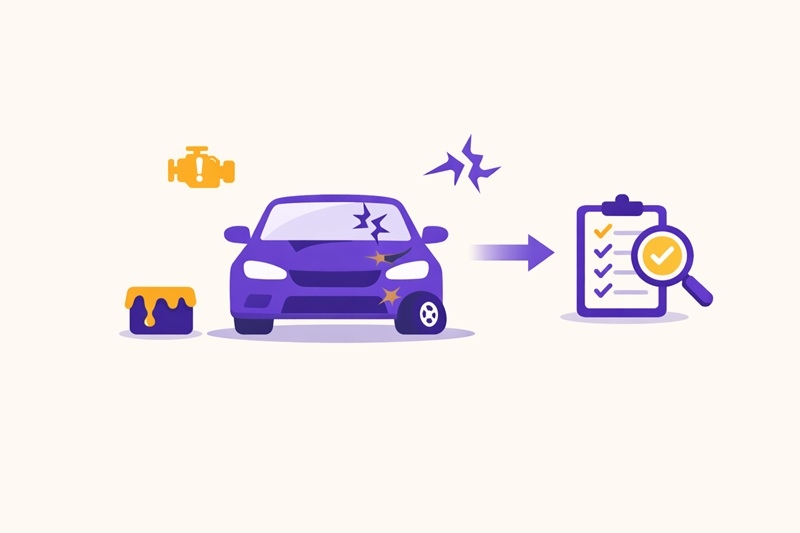
Vehicle eligibility is determined by overall condition and practicality. Most vehicles qualify when continued use, repair investment, or resale no longer makes financial or safety sense.
Common reasons vehicles reach end-of-life status include:
Evan's Cash For Cars evaluates vehicles based on realistic usability, not cosmetic appearance or model year alone.
Below are the most frequent condition-based categories used to evaluate vehicle eligibility.
A non-running vehicle cannot be started or safely driven under normal conditions. This situation may occur suddenly due to catastrophic failure or gradually as components deteriorate.
Non-running vehicles typically result from:
When repair costs outweigh remaining value, a non-running vehicle often reaches end-of-life status.
Non-running vehicles are among the most common vehicle types evaluated by Evan's Cash For Cars because they are difficult to sell privately and often impractical to repair.
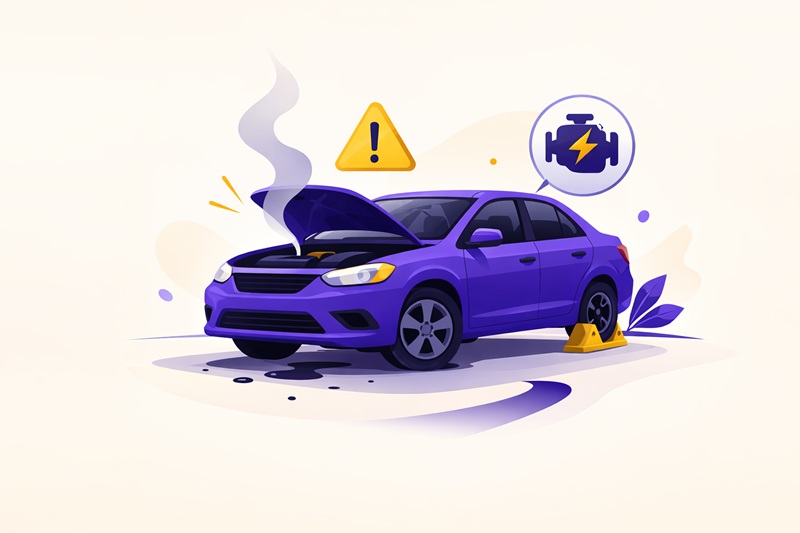
Junk cars are vehicles that may still operate in limited capacity but no longer provide reliable or safe transportation. These vehicles often fall into a practical gray area where repair is technically possible but no longer logical.
A vehicle is generally classified as a junk car when:
Junk vehicles frequently sit unused because owners are unsure how to dispose of them responsibly. In these situations, junk car removal provides a structured solution that allows owners to clear space without investing additional time or repair costs.
Scrap cars represent the final stage of a vehicle's lifecycle. At this point, repair is no longer viable, and the vehicle's remaining value is primarily derived from recyclable materials.
A vehicle typically transitions into scrap status when it:
Once a vehicle reaches this stage, repair and resale are no longer practical. Instead, scrap car removal offers a responsible path for disposal while recovering any remaining material value.
Vehicles involved in significant collisions may qualify even if they still start or move. Structural damage often introduces long-term safety risks that are not immediately visible.
Accident-damaged vehicles commonly reach end-of-life status when:
In many cases, these vehicles are evaluated as end-of-life rather than repair candidates.
As vehicles accumulate mileage, component wear increases and reliability often declines. Even properly maintained vehicles may reach a point where continued investment no longer makes sense.
An older vehicle may qualify when:
Age alone does not determine eligibility. Overall usability and repair practicality carry more weight than model year.
Major mechanical breakdown often signals that a vehicle has reached the end of its usable lifespan.
Examples include:
When repair costs exceed reasonable recovery value, vehicles with major failures are typically evaluated as end-of-life.
Vehicles that remain unused for extended periods often deteriorate faster than those driven regularly. Seals dry out, corrosion spreads, and internal systems degrade.
Long-unused vehicles frequently:
In these situations, removal is often more practical than restoration.
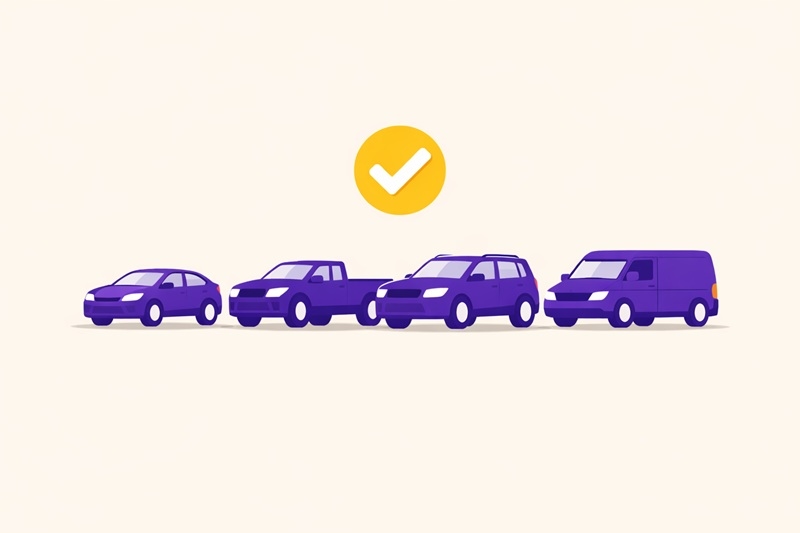
Eligibility depends on condition, not category. Evan's Cash For Cars commonly evaluates:
Vehicle type alone does not determine qualification. Condition remains the primary factor.
Vehicle eligibility is determined through combined evaluation rather than a single defect.
Key evaluation considerations include:
This approach ensures vehicles are assessed consistently and logically.
Some vehicles may not qualify if they remain fully operational and retain strong resale demand. Vehicles that have recently undergone major repairs or continue to meet standard safety and reliability expectations are often better suited for private sale.
Eligibility depends on overall practicality, not cosmetic wear or age alone.
This clarification helps owners understand whether their vehicle aligns with end-of-life criteria before choosing a service option.
Many end-of-life vehicles still retain measurable value, even when they no longer operate reliably. When a vehicle meets qualification criteria, owners may choose to sell your vehicle for cash rather than leave it unused or invest in additional repairs.
This option is typically considered when a vehicle:
Evan's Cash For Cars operates in Calgary and Airdrie, Alberta. Vehicle eligibility is evaluated consistently across both locations based on condition, not neighborhood or distance.
Location does not influence qualification standards. Condition remains the determining factor.
Serving Calgary & Airdrie, Alberta
Buyers of end-of-life vehicles